
Overview
According to Japan’s Ministry of the Environment, it is estimated that approximately one in four people in Japan—around 30 million individuals—suffer from hay fever. This condition not only has a significant impact on daily life but also results in substantial social and economic losses. In recent years, the prevalence of allergy symptoms caused by house dust (such as bronchial asthma) has been increasing. This trend is attributed to factors such as the growing number of highly airtight homes and the widespread practice of keeping pets indoors, making it an important social issue.
Our center conducts evaluation tests on products and devices designed to reduce or eliminate allergens, including pollen, dust mites, and pet-derived allergens. Our testing methods are based on analytical techniques referenced from international and domestic standards such as ISO, JIS, and JEM. Quantitative evaluations are performed using methods such as ELISA and microscopic analysis. We offer tailored testing plans to meet your specific objectives and requirements, supporting you from the research and development stage through to final performance verification and evidence generation.
About Allergens
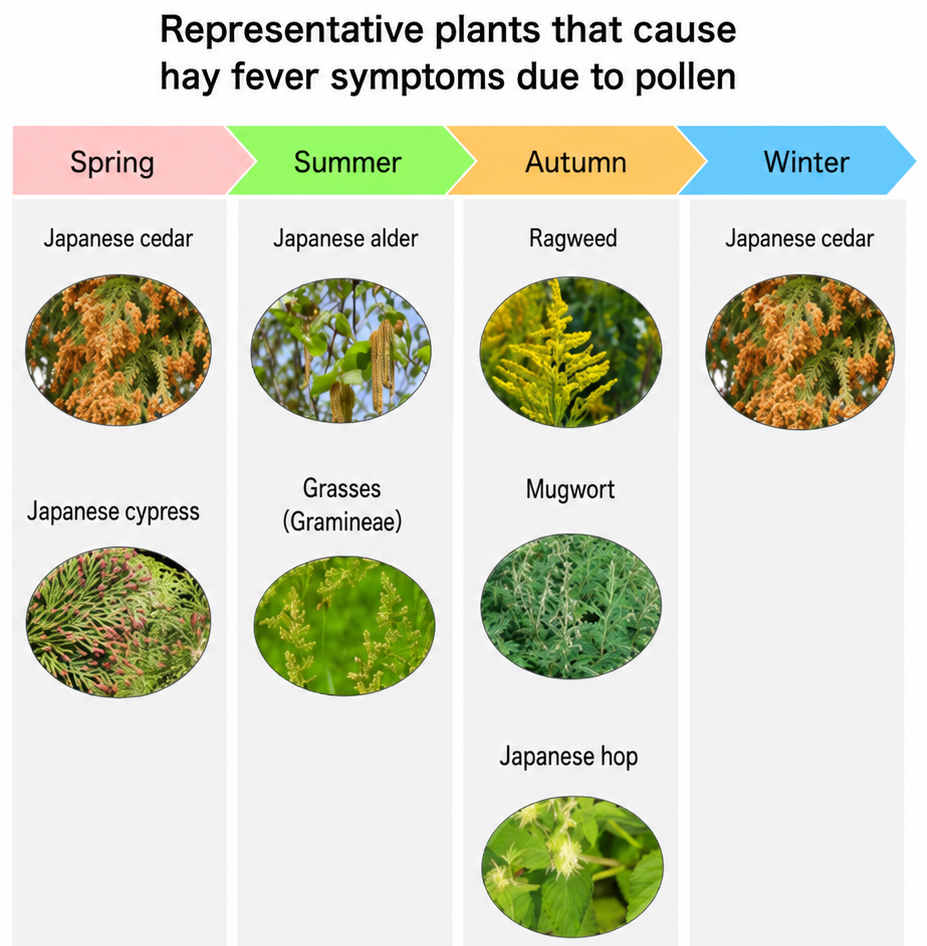
Plants that cause Pollinosis
In Japan, cases of ragweed, Japanese cedar, and orchard grass pollinosis have been reported since the early 1960s. To date, more than 60 types of pollen allergies have been identified.
In recent years, the incidence of pollinosis symptoms has been increasing throughout the year, with Japanese cedar pollen in winter to spring, grass pollen in summer, and ragweed pollen in autumn. As a result, pollinosis is now often regarded as a “year-round condition.”
House Dust
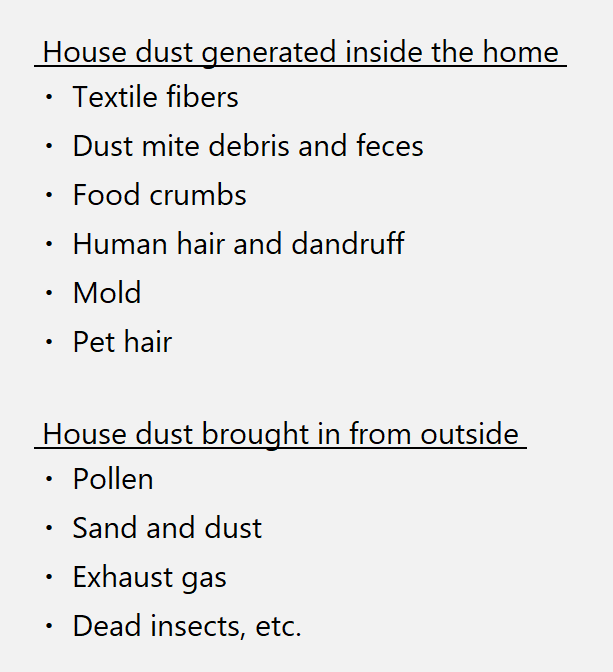
House dust is a general term for fine particles that are suspended in the air or accumulated indoors, and it is known to potentially affect health and cause allergic reactions.
The main components of house dust include dust mite feces and bodies, human and pet hair and dander, textile fibers, as well as mold and its spores.

Test Methods
Testing of Electrical Appliances
This test is designed for electrical appliances such as air purifiers, air conditioners, and ion generators.
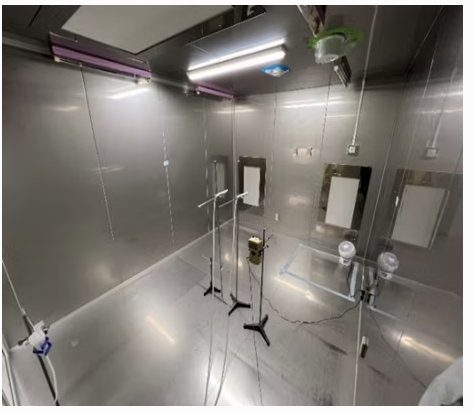
An allergen solution is aerosolized into a test chamber (25 m3), and air samples are collected at regular intervals while the appliance is in operation. The concentration of airborne allergens is quantitatively measured using the ELISA method, and the removal amount and removal performance are evaluated over time.
Testing of Textile Products
This test is designed for textile products such as clothing, towels, and mask materials.
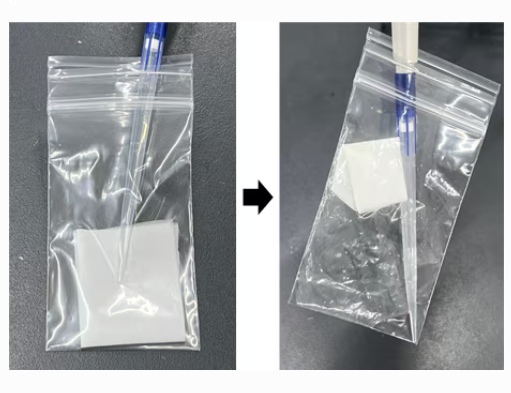
An allergen solution is applied to the textile product and allowed to react for a specified period. The solution is then recovered, and the allergen concentration is measured using the ELISA method. The reduction effect of the treatment is evaluated by comparing the concentrations between untreated and treated samples.
This test is conducted in accordance with the standard test method published in 2022 (ISO 4333 Textiles — Determination of reduction activity of specific proteins derived from pollen, mite and other sources on textile products)
Testing of Liquid Agents
This test is designed for liquid agents such as anti-allergen agents (inorganic compounds), hypochlorous acid solutions, and surfactants.
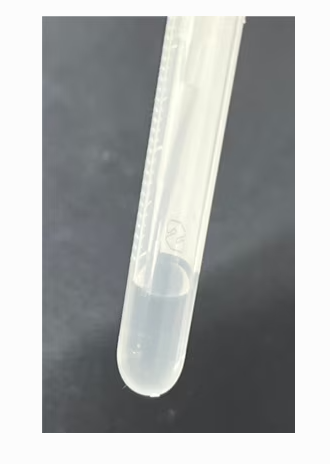
An allergen solution is mixed with the test liquid and allowed to react for a specified period. The allergen concentration is then measured using the ELISA method, and the reduction rate of allergens is evaluated by comparing it with the initial concentration.
Testing of Treated Materials
This test is designed for flat-panel specimens treated with functional materials such as wallpaper, functional interior materials, coatings, and photocatalytic coatings.
An allergen solution is applied to the surface of the test specimen and covered with a film. After a specified contact period, the allergen solution is recovered from the specimen. The allergen concentration is then measured using the ELISA method, and the reduction effect of the treatment is evaluated by comparing the concentrations between untreated and treated samples.
Pollen Removal Testing
This test evaluates the extent to which adhered pollen can be removed by the operation of household appliances such as washing machines and vacuum cleaners, based on pollen count measurements.
The removal performance is evaluated using the following procedure
1. Pollen is applied to a test fabric.
2. The test fabric is placed in or on the appliance, and a removal process is carried out during operation.
3. After treatment, the test fabric is removed from the appliance, and the remaining adhered pollen is washed out.
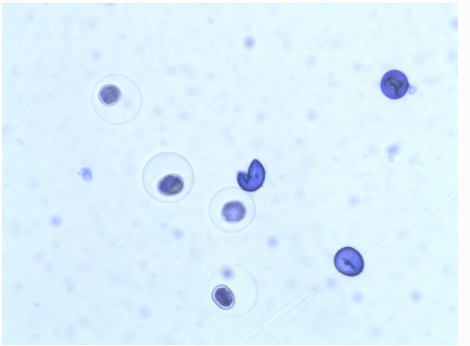
4. The recovered pollen is stained with a dye, and the number of pollen particles is counted.
5. The removal efficiency is evaluated by calculating the removal rate based on a comparison of pollen counts before and after treatment.
Please feel free to contact us through our inquiry page if you have any questions or requests regarding this article.