1. Overview
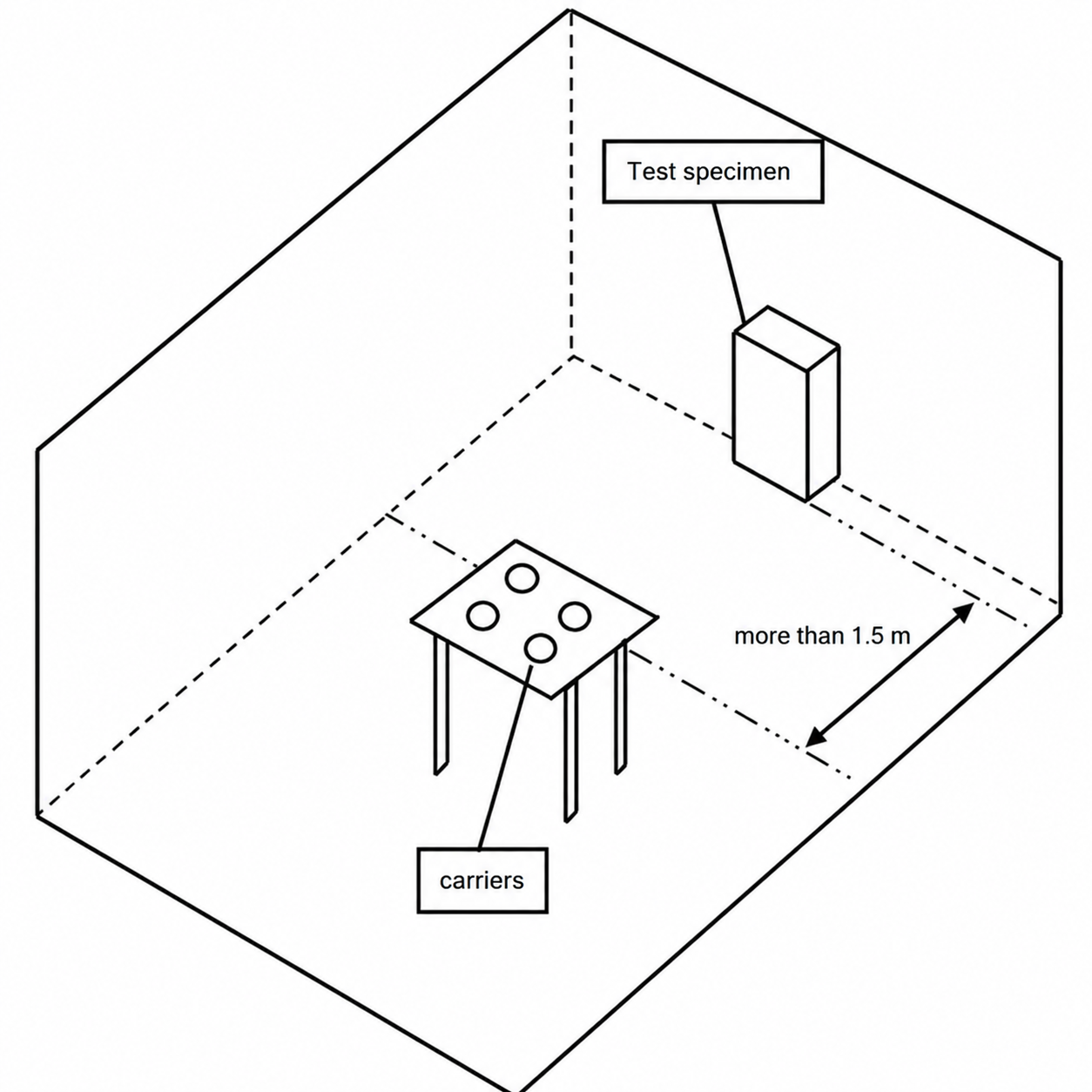
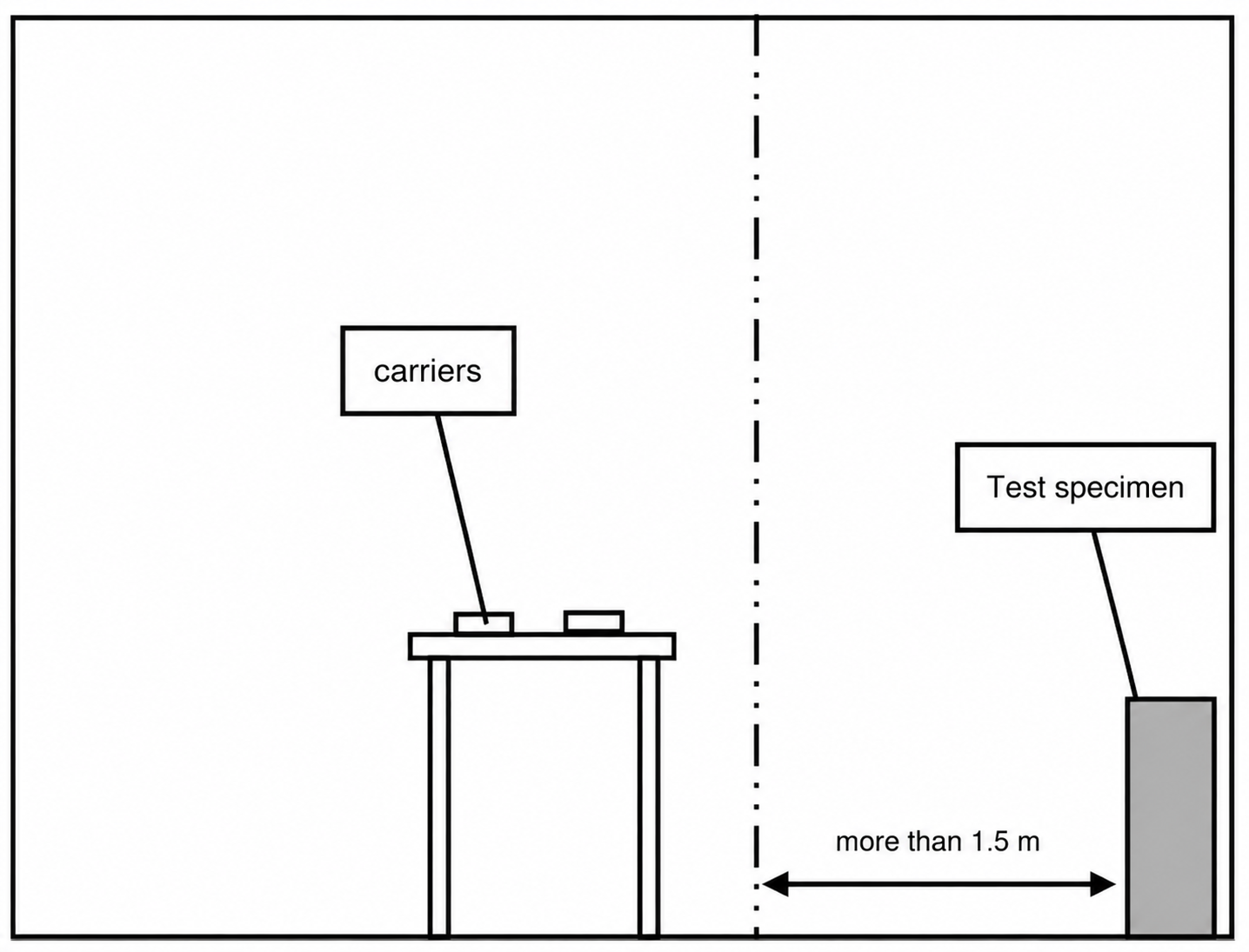
This test evaluates the virus suppression performance of air purifiers and other devices by simulating viruses attached to indoor surfaces such as floors and walls. Virus-inoculated carriers are placed inside a 25 m³ test chamber, and the test specimen is operated to determine its ability to suppress viruses on the surface.
Under the Japan Electrical Manufacturers’ Association (JEMA) Standard, the test is conducted using a specified chamber size and designated carriers and viruses. However, the test conditions can be customized according to the client’s objectives and intended application at our center. This includes changes to the chamber size (0.2, 0.4, 1, or 10 m³), substitution of the carrier material (e.g., wallpaper), replacement of the test microorganism (e.g., bacteria or fungi), or replacement of the test target with allergens.
2. Applicable Products
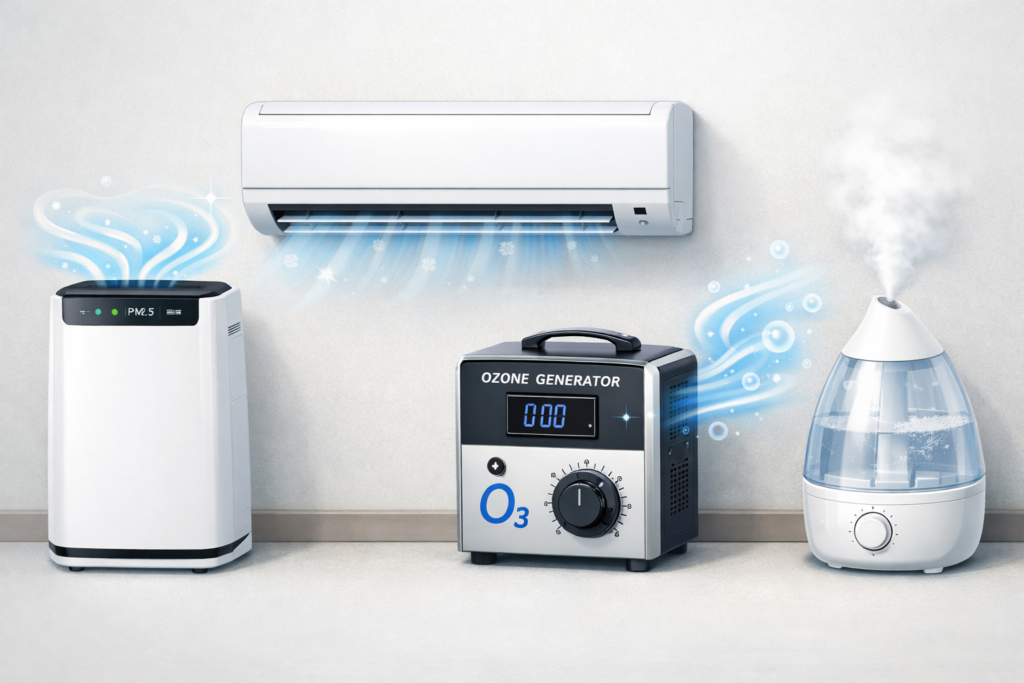
・Air purifiers
・Air conditioners
・Ion generators
・Ozone generators
・Sprayers (disinfectant dispersal devices)
・Stationary or adhesive-type disinfectant products (e.g., chlorine dioxide-based products)
・Other products intended for the suppression or removal of surface-associated viruses
3. Standards and Regulations
・Japan Electrical Manufacturers’ Association Standard JEM 1467, Annex E: “Performance Evaluation Test for the Suppression of Viruses Attached to Indoor Surfaces”
4. Test Method
After the test specimen has been installed in a 25 m³ test chamber, carriers inoculated with a virus suspension are placed at predetermined locations within the chamber. The test specimen is then operated under the specified test conditions.
The carriers are recovered at predetermined time intervals, and the number of viable viruses is determined. The virus suppression performance of the test specimen is evaluated by comparison with a control condition in which the test specimen is not operated.